
HomeServicesGenerator Installation
Generator Installation in Hendricks County
Whole-house standby generators that start themselves when the power drops, and safe, code-legal hookups for the portable generator you already own. Sized for what you actually need to keep running.
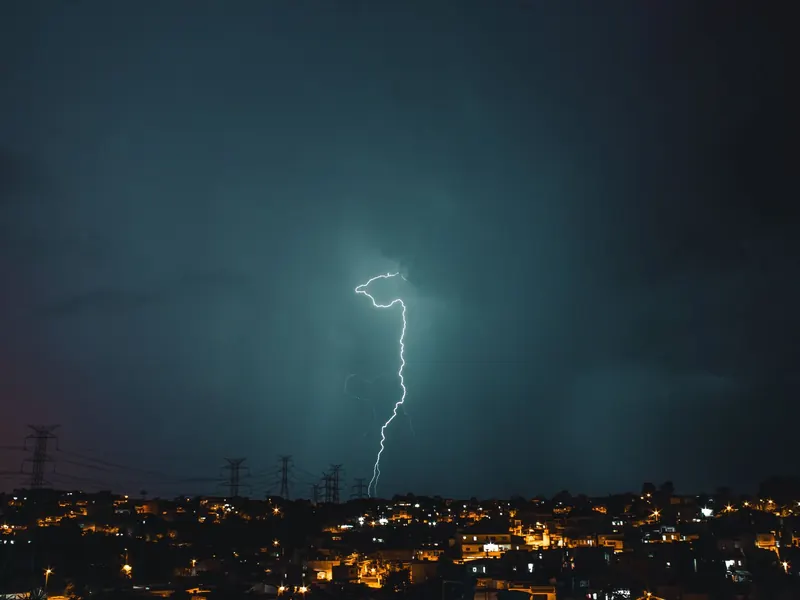
Central Indiana loses power to ice, wind and summer storms. The question is what you want running when it does.
For some households the answer is the sump pump, the furnace blower, the refrigerator and a few lights. For others it is the whole house, including the well pump, the medical equipment, the home office and the AC in July. The right generator setup follows from that list, and we start every generator conversation there rather than with a model number.
We install both kinds of backup: permanently mounted standby generators that run on natural gas or propane and switch on by themselves, and the transfer equipment that lets a portable generator feed the house safely through the panel instead of through a web of extension cords.
Which one fits
- Standby: automatic, whole-house or essential circuits, natural gas or propane, weekly self-test
- Standby: best for sump pumps, well pumps, medical needs, frequent outages and anyone who travels
- Portable with interlock: you start it and plug it in, it powers the circuits you choose
- Portable with interlock: the lowest-cost way to keep the furnace, fridge and sump running
- Either way: never backfeed through a dryer outlet with a double-male cord. It can kill a lineworker.
- Either way: we size the circuits so the generator is not overloaded the first night
Standby generator installation
- Load list and sizing. We walk the house and list what has to run. A furnace, sump pump, fridge, freezer and lights is a small unit. Add central air, a well pump or an electric range and the size and the transfer switch both change.
- Placement. The unit goes on a pad outside, with the clearances from windows, doors and the property line that the code and the manufacturer require, and close to the gas meter and the service when possible to keep the runs short.
- Transfer switch. An automatic transfer switch at the service, either whole-house or a managed panel that runs essential circuits and sheds the big loads when needed.
- Gas and permits. We coordinate the gas line with a licensed plumber or your propane supplier, pull the electrical permit, and meet the inspector.
- Start-up and walkthrough. We test the unit under load, set the weekly exercise schedule, and show you what it will and will not run.
Interlock kits and generator inlets for portables
If you already own a portable generator, the safe way to use it is a generator inlet on the outside of the house wired to the panel through a listed interlock kit or a manual transfer switch. The interlock makes it physically impossible for the generator breaker and the main to be on at the same time, which is what protects the utility crews working to restore your power. When the lights go out, you roll the generator out, plug in one cord, flip the interlock, and turn on the circuits you need. Most interlock installs are a half day.
Generator repair and maintenance
A standby unit that failed its weekly test, a transfer switch that did not transfer, or a portable hookup that trips its breaker under load. We service the electrical side of any brand and can point you to the right dealer for engine work.
Where the outages hit
The rural parts of the county around Danville and west toward Putnam County lose power more often and for longer than the subdivisions in Avon and Plainfield, and the houses on wells out there have a second reason to want a standby. In town, the sump pump is the usual driver: a finished basement in Brownsburg or Avon plus a spring storm is the typical reason to call.
Generator questions
It depends on the load list, not the square footage. A furnace, sump pump, refrigerator, freezer and lighting fits comfortably in a small standby or a mid-size portable. Adding central air roughly doubles the requirement; a well pump and an electric range add more. We size from your actual appliances and their starting loads, not from a chart.
The generator size, whether it is whole-house or essential-circuits, the transfer switch type, the distance from the unit to the service and to the gas meter, the gas line work, the concrete pad, and permits. We quote the electrical portion and coordinate the gas quote so you see the whole number before you decide.
Yes. The transfer switch and service connection work the same across brands. We install units you buy from a dealer or a big box store, and we will tell you if the one you are looking at is undersized for the load list before you buy it.
Yes, through an interlock or transfer switch. A gas furnace only needs power for the blower and controls, which is a modest load. The key is the connection: the furnace has to be fed through the panel, not through an extension cord, and the generator has to be outside, away from windows, running on its own ground.
Related work and nearby towns
Start with the list of what has to stay on.
Sump pump, furnace, fridge, well, AC, the office. Tell us that and we will tell you the generator and the hookup that fits.
(317) 681-2616