
HomeServicesSolar Installation
Solar Installation in Hendricks County
Rooftop solar for homes and small businesses, designed and installed by a licensed electrician rather than a sales crew. We size the system to your bill, check the roof and the panel first, handle the permit and the utility paperwork, and tie it in so it passes inspection.
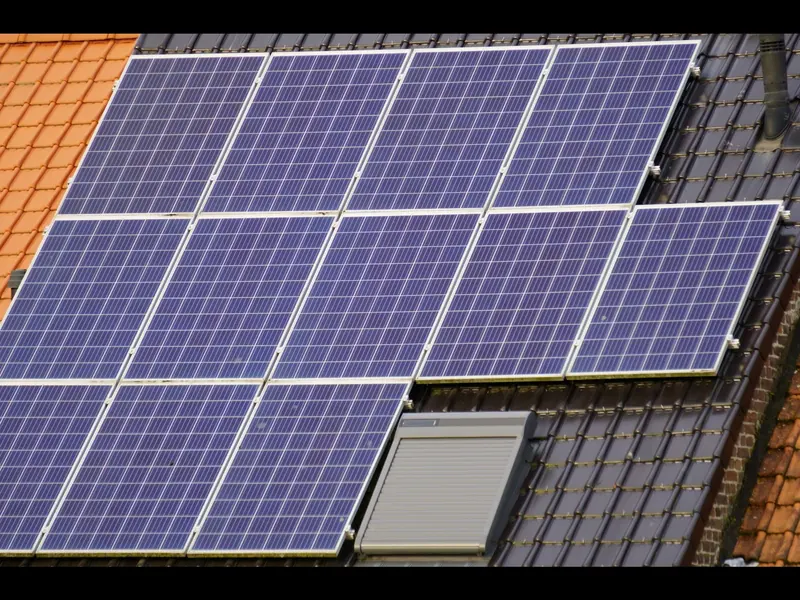
Solar is an electrical project. It should be run by an electrician.
A solar array is a generator on your roof, wired into your main panel and your utility's grid. The panels are the visible part; the inverter, the disconnects, the rapid shutdown, the grounding, the interconnection at the panel and the inspection are the part that decides whether the system is safe and whether the utility will turn it on. We do the whole job, and we tell you up front whether solar makes sense for your roof and your bill before anyone sells you a system.
What we check before quoting
- Twelve months of your electric bills, so the system is sized to what you use
- Roof direction, pitch, shade and age; a roof due for replacement gets that conversation first
- The main panel: whether it has the capacity and a slot for the solar backfeed breaker, or needs work
- Your utility's interconnection and net metering rules, which differ between the utilities that serve Hendricks County
- Whether a battery, an EV charger or a generator interlock should be planned in at the same time
- HOA rules on panel placement, which Indiana law limits but does not eliminate
How a solar install goes
- Site visit and design. We measure the roof, read the bills and the panel, and come back with a system size, a layout and a production estimate that reflects your roof, not a national average.
- Permits and utility application. The building and electrical permits with your town or county, and the interconnection application with your utility. Nothing goes on the roof until both are moving.
- Racking and panels. Flashed roof attachments, rails, panels and the rapid-shutdown devices the code requires, installed so the roof still sheds water the way it did before.
- Inverter and wiring. String or microinverters, the DC and AC disconnects, grounding and bonding, and the tie-in at your main panel with a properly sized backfeed breaker.
- Inspection and permission to operate. We meet the inspector, submit the final paperwork to the utility, and switch the system on once permission to operate comes through.
Batteries, EV chargers and generators together
The same visit that plans the solar array is the right time to plan the rest of the electrical future of the house. A battery lets you ride through an outage and shift solar power to the evening. An EV charger is the single best use of daytime solar production. A generator interlock covers the long outages a battery cannot. Designing them together avoids paying for the same panel work twice.
Panel capacity and the 120 percent rule
The electrical code limits how much solar can backfeed a panel based on its busbar rating. On a 200 amp panel that usually means a 40 amp solar breaker without changes; larger systems need a panel upgrade, a line-side tap or a smaller array. We work that out before the design is final so the quote does not change after the permit is filed. Older homes on 100 amp services almost always need the panel upgraded first, and we quote both together.
Solar by town
South-facing roofs on the newer two-stories in Avon and Brownsburg are the easiest installs. The larger lots around Zionsville and Mooresville sometimes suit a ground mount when the roof faces the wrong way. Every jurisdiction we serve permits and inspects solar; we handle it.
Solar questions
It can, for the right roof and the right bill. Indiana gets enough sun for a well-placed array to cover a large share of a home's usage over a year. The math depends on your utility's rates and its rules for crediting the power you send back, so we run the numbers with your actual bills before recommending anything.
System size in kilowatts, the panel and inverter brands, the roof type and how many roof faces are involved, whether the main panel needs work, whether a battery is included, and permit and utility fees. We give you a firm quote after the site visit and design, with any available incentives itemized.
Federal credits for residential solar have been significant in recent years and the rules change; some utilities also offer programs. We give you an itemized invoice that separates the solar system, the battery and any panel work so your tax preparer can apply whatever is available for the year of the install.
Not by itself. A grid-tied system shuts down when the grid goes down, to protect the utility crews. Keeping the lights on during an outage takes a battery with a transfer switch, a generator, or both, and we design for that when it matters to you.
Related work and nearby towns
Send a recent electric bill and a photo of the roof.
That is enough for an honest first read on whether solar pays off at your house. The site visit and the quote are free.
(317) 681-2616